
Spine & Back Health
Understanding Mechanical Lower Back Pain: Causes, Relief, and Everyday Prevention
Most lower back pain is mechanical in nature, arising from sitting posture, muscle deconditioning, or disc strain. Learn how early physiotherapy helps you recover without relying solely on medications.
Understanding Mechanical Lower Back Pain: Causes, Relief, and Everyday Prevention
Most lower back pain is mechanical in nature, arising from sitting posture, muscle deconditioning, or disc strain. Learn how early physiotherapy helps you recover without relying solely on medications.
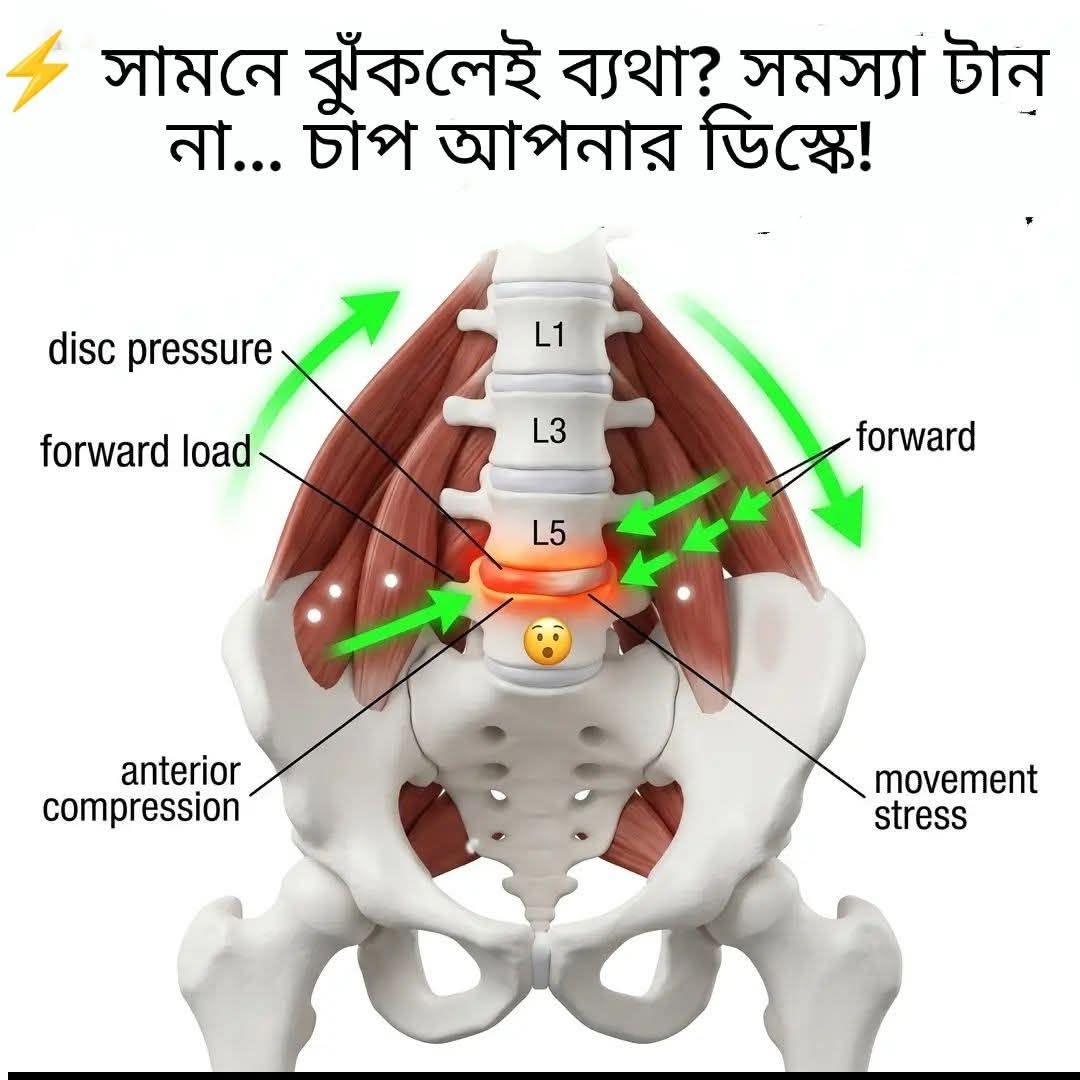
Lower back pain affects nearly 80% of adults at some point in their lives. Contrary to common belief, prolonged bed rest is rarely helpful and often prolongs stiffness.
### Why Does Lower Back Pain Occur?
The human lumbar spine is engineered for balanced movement. When we spend 8 to 10 hours seated without regular posture changes, mechanical stress concentrates on the L4-L5 and L5-S1 discs. Over time, the surrounding paraspinal muscles fatigue, leading to protective spasms.
### Three Everyday Changes That Protect Your Lower Back:
1. **The 30-Minute Micro-Break**: Stand up, walk 20 paces, and perform gentle backward lumbar extensions every half hour.
2. **Proper Lifting Mechanics**: Bend at your hips and knees, keeping heavy loads glued close to your chest rather than rounding your spine.
3. **Core Activation**: Gentle abdominal drawing-in exercises reinforce the natural muscular corset protecting your vertebrae.
*Medical Disclaimer: This article is strictly for educational purposes. If you experience severe radiating numbness, loss of bladder control, or progressive leg weakness, seek immediate medical evaluation.*
Important Medical Notice
Information on this website is for educational orientation and does not substitute for a licensed physical therapist evaluation. Outcomes depend on individual anatomy and clinical compliance.